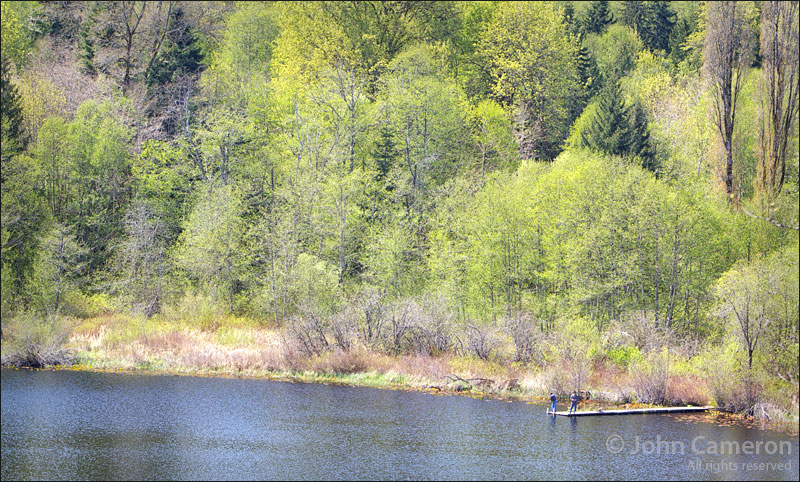
Magnificent spring growth around this hidden Salt Spring lake makes a wonderful memory.
But is it better in colour or in black and white?
Salt Spring Photographer John Cameron
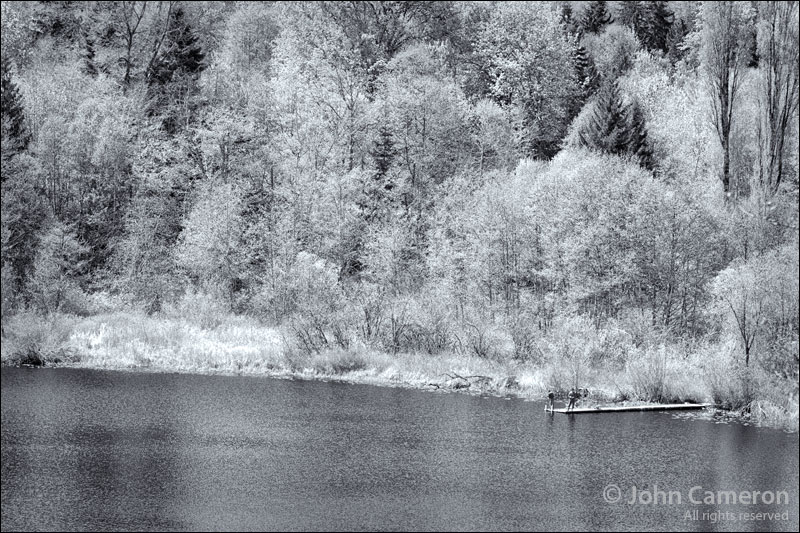
Magnificent spring growth around this hidden Salt Spring lake makes a wonderful memory.
But is it better in colour or in black and white?
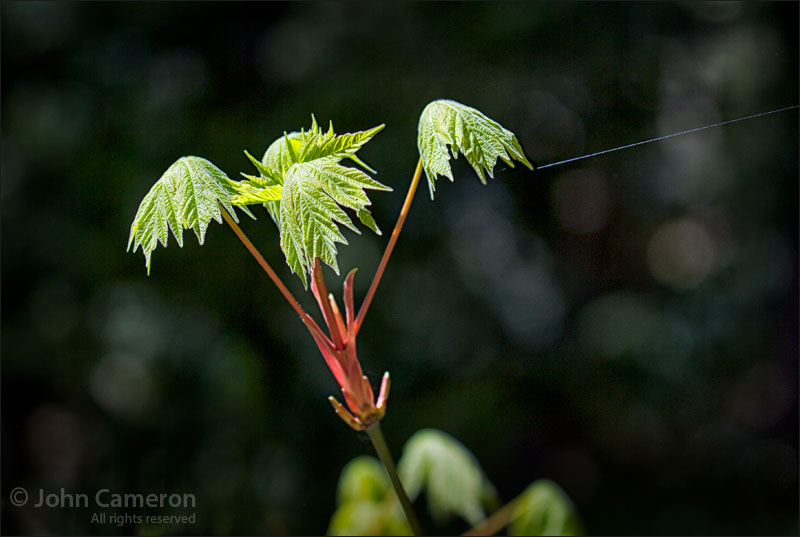
I wonder if the spider will be back to this sunny spot in the forest.
I just know this image symbolizes something. I wonder what?

Parked outside Central Hall with the more mainstream Salt Spring vehicles, I presume the owner/decorator of this van was attending the SSI Historical Society’s presentation, The Changing Face of Salt Spring History.
The Times They Are a-Changin’
—Bob Dylan, 1964
—–
It’s May 10. What’s Leica up to today?
#leica #may10
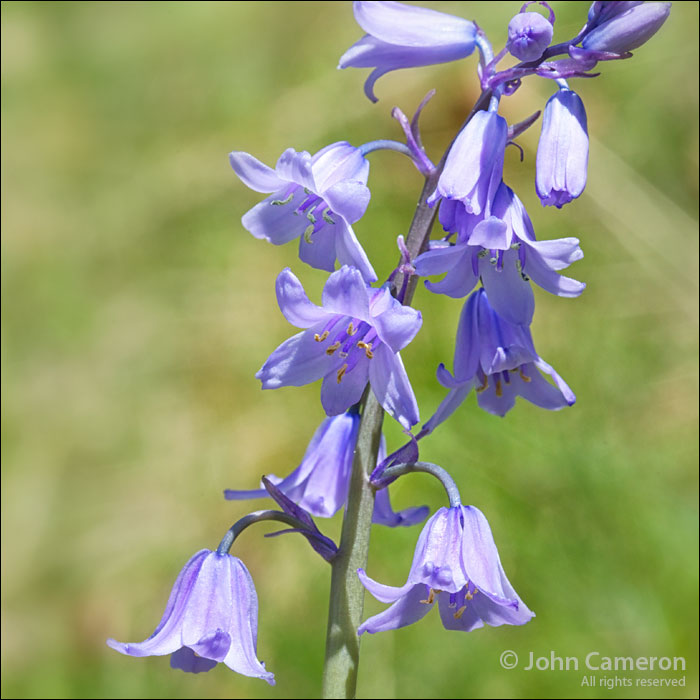
I came across these fresh bluebells on the edge of the Garry Oak meadow at Burgoyne Bay.

A young mother and her bundle of joy walk along Fernwood Dock at sunset.

The photo of this interesting couple was captured as the Howe Sound Queen, running from Crofton on Vancouver Island to Vesuvius on Salt Spring Island, docked at Vesuvius.
I’m not sure what all the pointing was about really, but it was interesting to watch.

—–
Note: photos were taken through my truck windshield
ISO 400, f/5.6, 1/1250 sec with 100mm lens

While walking the shady trail at Burgoyne Bay with Cameron the wonder westie, we came upon a patch of sunlight with some healthy dandelions. One had already gone to seed. And the sun created some marvellous catchlights*.
—–
Behind the scenes:
Photo:Canon EOS-1D Mark IV, Canon EF 100mm f/2.8 Macro, ISO 800, f/11, 1/800 sec
I took along only one lens on this walk, a 100 macro. It’s an ‘inexpensive’ fun lens that seems to get the most use during spring.
Depth of focus can be tricky when working very close to a subject. In this case I wanted the dandelion in focus but the ground out of focus. Sometimes I use the Simple DoF (simple depth of field) iPhone app as a guide. If I had it in this case it would have told me that on this camera with this lens using an aperture of f/11 at about two and one half feet, would give me one inch of sharp focus.
To ensure a sharp image with no camera shake, I bumped up the ISO (‘film speed’ for us old timers) to 800. No problem with noise (‘grain’) on today’s modern digital cameras.
—–
*catchlights
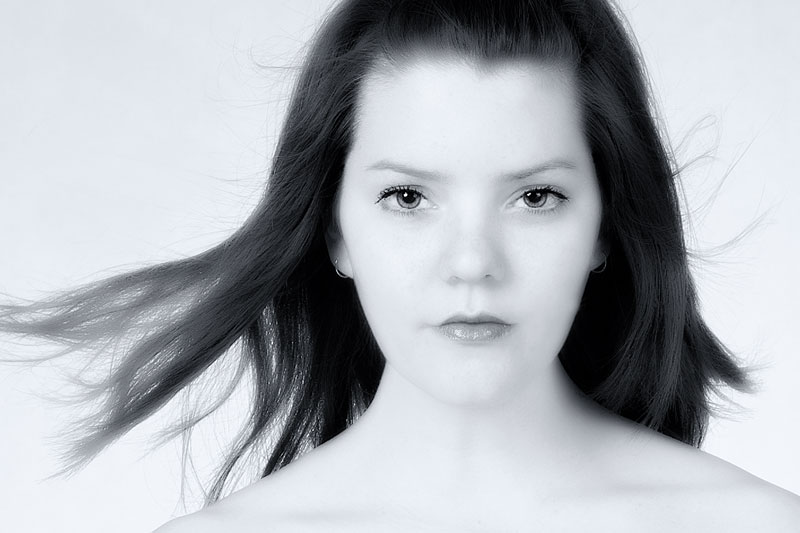
Catchlights are simply the bright reflection of a light source; in this case, the sun.
You can often see catchlights in a person’s eyes, particularly in portrait photos. In natural light portraits, for example with window light, you sometimes see a bright spot in the eyes. Portraits with catchlights often seem more alive than those without.
We’re not talking about ‘red-eye’, which looks awful and is normally caused by having a flash too close to the lens.
The shape of the catchlight is determined by the shape, size, and proximity of the light source. In this first example, I’m at grass level looking up at the baby so the reflection of the sky is creating a type of catchlight:

In the next example, catchlights in Rosie’s eyes are produced with studio flash units and umbrellas:
In the last example, musician Zav RT is standing near a window. The catchlights are created by a white reflector which is bouncing the window light back at her face. No other light sources were used.